Spring Activities for Children with Autism: Simple Joys, Meaningful Moments
April 14, 2026
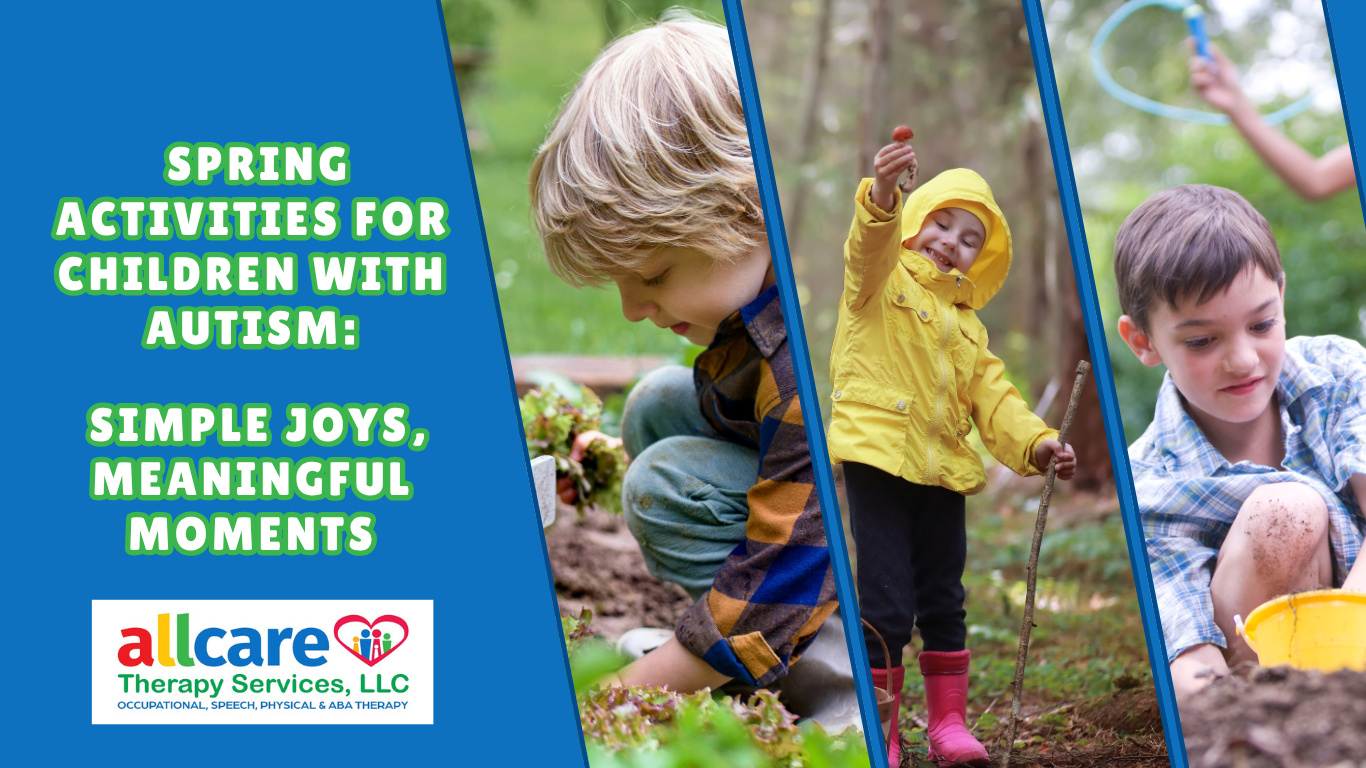
Nature Walks: One of the easiest ways to engage children is through nature walks. Parks, gardens, or even a quiet neighborhood path can provide calming sights and sounds. Encourage children to notice colors, textures, or patterns—like the petals of flowers or the shapes of clouds. Bringing along a simple checklist or visual guide can add structure and make the activity more predictable and enjoyable.
Gardening: Gardening is another wonderful spring activity. Planting seeds, watering plants, and watching them grow can be both soothing and educational. Many children with Autism enjoy routine hands-on tasks, making gardening a natural fit. Start small with potted plants or a mini herb garden to keep things manageable.
Outdoor Sensory Play: Sensory play outdoors can also be especially rewarding. Activities like playing with sand, water tables, or even creating a “mud kitchen” allow children to explore different textures in a controlled way. If sensory sensitivities are a concern, you can adjust materials to match your child’s comfort level.
Creative Expression: Spring is also a great time for creative expression. Sidewalk chalk, bubble blowing, or simple outdoor art projects can help children communicate and have fun at the same time. These activities encourage imagination while staying flexible and low-pressure.
Family Friendly Outings: Consider incorporating routine-friendly outings, like visiting a local playground during quieter hours or attending small, sensory-friendly community events. Maintaining a predictable schedule while gently introducing new experiences can help children feel secure and confident.
Every child is unique, so the key is to follow their interests and pace. With thoughtful choices and a supportive environment, spring can be a season filled with positive experiences, growth, and happy memories.